
"Bahia state"
400 article(s) found

Introduction to the characteristics of El Salvador Himalayan Coffee Flavor Manor
Formerly known as San Salvador, Bahia. An important natural deep-water port on the Atlantic coast of Brazil, the capital of Bahia state. It is located on the east bank of Todos (Santos) Bay. With a population of 3459377 (as of August 1, 2010), it is the eighth largest city in Brazil. The ancient city, one of the oldest cities in Brazil, was founded in 1549, and the first churches were built by Jesuit priests in 1549. Until 1763

Flavor and taste characteristics of Brazilian yellow bourbon coffee beans introduction to manors in coffee bean producing areas of Brazil
Brazilian Yellow bourbon Coffee Flavor Origin description Taste Manor Variety characteristics many merchants will go to Brazil to buy commercial beans for Italian blending, which is not wrong. But you should know that Brazil also continues to produce a lot of boutique coffee beans. Brazilian products are not only abundant in quantity, but also of high quality and unique flavor. Usually, Brazilian coffee has a strong caramel and chocolate flavor.

El Salvador Himalayan Coffee Estate Features Variety Grind Treatment Taste Introduction
San Salvador, Bahia. An important natural deep-water port on Brazil's Atlantic coast, capital of Bahia. Located on the east coast of the Bay of Todos (Santos). With a population of 3,459,377 (as of August 1, 2010), it is the eighth largest city in Brazil. It is one of the oldest cities in Brazil, founded in 1549, and the first churches were built by Jesuit priests in 1549. until 1763.

Introduction to the planting environment of Salvadoran coffee with soft and slightly sour flavor
Formerly known as San Salvador, Bahia. An important natural deep-water port on the Atlantic coast of Brazil, the capital of Bahia state. It is located on the east bank of Todos (Santos) Bay. With a population of 3459377 (as of August 1, 2010), it is the eighth largest city in Brazil. The ancient city, one of the oldest cities in Brazil, was founded in 1549, and the first churches were built by Jesuit priests in 1549. Until 1763
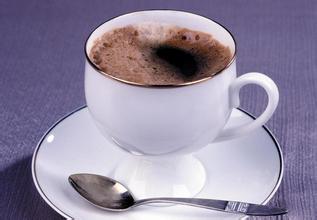
Introduction to fragrant and pure Salvadoran coffee flavor and taste of manor boutique coffee
Formerly known as San Salvador, Bahia. An important natural deep-water port on the Atlantic coast of Brazil, the capital of Bahia state. It is located on the east bank of Todos (Santos) Bay. With a population of 3459377 (as of August 1, 2010), it is the eighth largest city in Brazil. The ancient city, one of the oldest cities in Brazil, was founded in 1549, and the first churches were built by Jesuit priests in 1549. Until 1763

Description of Salvadoran Coffee Variety Flavor introduction to the taste grindability of boutique coffee beans
Formerly known as San Salvador, Bahia. An important natural deep-water port on the Atlantic coast of Brazil, the capital of Bahia state. It is located on the east bank of Todos (Santos) Bay. With a population of 3459377 (as of August 1, 2010), it is the eighth largest city in Brazil. The ancient city, one of the oldest cities in Brazil, was founded in 1549, and the first churches were built by Jesuit priests in 1549. Until 1763

The taste of El Salvador Himalayan coffee is mild and the taste of the manor is characterized by the introduction of fine coffee.
Formerly known as San Salvador, Bahia. An important natural deep-water port on the Atlantic coast of Brazil, the capital of Bahia state. It is located on the east bank of Todos (Santos) Bay. With a population of 3459377 (as of August 1, 2010), it is the eighth largest city in Brazil. The ancient city, one of the oldest cities in Brazil, was founded in 1549, and the first churches were built by Jesuit priests in 1549. Until 1763

Coffee basics Coffee is generally picked several times a year
The harvest time and method of coffee vary from place to place, generally speaking, about once or twice a year (sometimes up to three or four times). The harvest time is mostly in the dry season. In Brazil, for example, around June, it starts in the north-eastern state of Bahia and ends in October in the southern state of Parana. The harvest period of Central American countries is from September to next year.

Brazilian coffee beans taste characteristics and historical and cultural story introduction hand brewed Brazilian coffee beans brewing parameters how to brew good to drink
Professional coffee knowledge exchange More coffee bean information Please pay attention to coffee workshop (Weixin Official Accounts cafe_style) In addition to Colombia, Brazil is another big coffee country in South America. Brazil is the world's No. 1 coffee producer, producing 2.6 million metric tons last year, accounting for about one-third of global production. Brazilian coffee is also

Introduction to the characteristics of El Salvador Coffee Flavor Manor with excellent thickness and Fat
Formerly known as San Salvador, Bahia. An important natural deep-water port on the Atlantic coast of Brazil, the capital of Bahia state. It is located on the east bank of Todos (Santos) Bay. With a population of 3459377 (as of August 1, 2010), it is the eighth largest city in Brazil. The ancient city, one of the oldest cities in Brazil, was founded in 1549, and the first churches were built by Jesuit priests in 1549. Until 1763

Brazilian coffee producing area information Brazilian coffee company is suspected of evading and profiting from tax evasion
For more information on coffee beans, please follow the coffee workshop (Wechat official account cafe_style). According to Reuters in S ã o Paulo, prosecutors in the state of Minas Gerais said on Tuesday that Brazilian authorities raided coffee trading companies suspected of tax evasion and issued a number of arrest warrants to crack down on tax evasion. Minas Gerais, state of

What are the characteristics of coffee? introduction to coffee
Brazilian coffee generally refers to coffee produced in Brazil. There is a wide variety of Brazilian coffee, the vast majority of which are unwashed and sun-dried, classified according to the name of the state of origin and the port of transport. Brazil has 21 states and 17 states produce coffee, but four of them produce the largest, accounting for 98% of the country's total output. Brazilian coffee has a low sour taste, which goes well with coffee.

An introduction to the description of the Flavor of Brazilian Coffee with slightly Sweet Flavor
Brazilian coffee was introduced from French Guiana in 1729. It is true that intensive farming, changing treatment methods and improving the technical content of planting can improve the quality of coffee to some extent, but in any case, the natural conditions of Brazil cannot be compared with those of some regions that produce the world's top coffee. Because although Brazil has better soil conditions and humid climate, it is not high above sea level.

Introduction of Brazilian Coffee with soft and Sweet Flavor Pedra Azul State Park Coffee
Professional coffee knowledge exchange more coffee bean information please follow the coffee workshop (Wechat official account cafe_style) besides the largest, Brazil is also the most colorful coffee producer. With an area of 8.5 million square kilometers, Brazil is the fifth largest country in the world. There are 26 federal states, of which 15 are growing coffee: Acre,Bahia,Cear,EspritoSanto,Gois

What are the characteristics of Brazilian coffee beans? is Brazilian coffee expensive?
Professional coffee knowledge exchange more coffee bean information please pay attention to the coffee workshop (Wechat official account cafe_style) Brazil is a rich and beautiful land, Brazil is also the world's largest coffee producer, known as the coffee country. The coffee grown in Brazil consists of Arabica coffee with a long history and Robster coffee which is young and strong. In terms of natural conditions, Brazil

Introduction to the flavor characteristics of Brazilian Kaduai and Kaddura coffee half-sun treatment Kaduai nuts are sweet
Professional coffee knowledge exchange more coffee bean information please follow the coffee workshop (Wechat official account cafe_style) [country] Brazil [variety] Mundo Novo Arabica derived species, Yellow Catuai Yellow Kaduai [treatment] Sun Barista Flavor Notes: clean and charming citrus and berry aromas; wet aromas with cocoa, drupes and milk

Introduction of Brazilian Coffee Flavor description Grinding degree producing area characteristic varieties of Fine Coffee
Although coffee is diverse, Brazilian coffee is suitable for the taste of the public. For example, coffee produced in the northern coastal areas has a typical iodine taste, reminiscent of the sea after drinking. This coffee is exported to North America, the Middle East and Eastern Europe. Another kind of coffee that is interesting and worth looking for is washed Bahia coffee. This kind of coffee is not easy to find, because after the United States
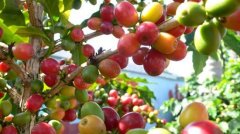
The variety of Brazilian coffee beans is suitable for popular taste.
Although coffee is diverse, Brazilian coffee is suitable for the taste of the public. For example, coffee produced in the northern coastal areas has a typical iodine taste, reminiscent of the sea after drinking. This coffee is exported to North America, the Middle East and Eastern Europe. Another kind of coffee that is interesting and worth looking for is washed Bahia coffee. This kind of coffee is not easy to find, because after the United States

Introduction to the overall soft and slightly sour coffee flavor of El Salvador Mercedes Manor
Formerly known as San Salvador, Bahia. An important natural deep-water port on the Atlantic coast of Brazil, the capital of Bahia state. It is located on the east bank of Todos (Santos) Bay. With a population of 3459377 (as of August 1, 2010), it is the eighth largest city in Brazil. The ancient city, one of the oldest cities in Brazil, was founded in 1549, and the first churches were built by Jesuit priests in 1549. Until 1763
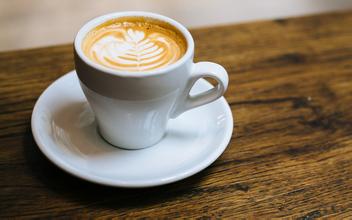
El Himalayan Coffee Grind Characteristics Variety Flavor Description Taste Introduction
San Salvador, Bahia. An important natural deep-water port on Brazil's Atlantic coast, capital of Bahia. Located on the east coast of the Bay of Todos (Santos). With a population of 3,459,377 (as of August 1, 2010), it is the eighth largest city in Brazil. It is one of the oldest cities in Brazil, founded in 1549, and the first churches were built by Jesuit priests in 1549. until 1763.